Global Narrative Initiative 10: Reclaiming the Unnarratable
A student-led global research collective narrative infrastructures across cultures and histories

About the Initiative
Founded by Sophie Chen (Boston Chapter Leader), GNI 10 bridges lived experience with scholarly language to challenge exclusionary narratives.
Founder’s Statement
“Silence is never empty. My work is about learning how to listen to the gaps in our history—and how to restore the voices that were taken.”
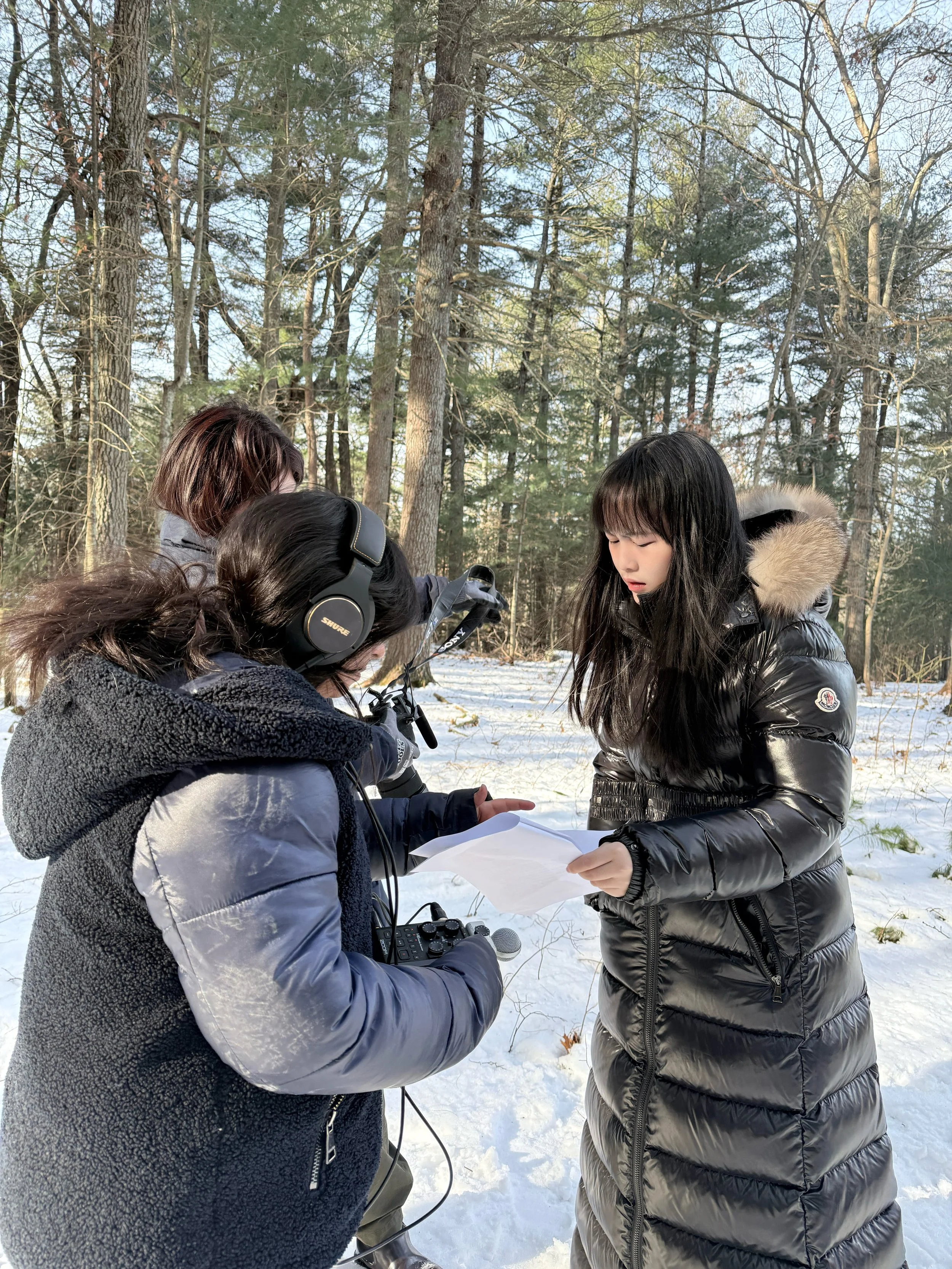
Sophie Kehan Chen
Growing up between cultures, I noticed a chilling pattern: Empires, whether ancient or modern, don’t just conquer territory—they conquer meaning. From Roman descriptions of "barbarians" to the urban renewal projects in modern Boston, power often uses the same "grammar of erasure" to label vibrant communities as "voids" or "blights" before they are narratively disposed.
I founded GNI 10 because I realized that while one scholar can expose a pattern, changing a narrative requires infrastructure. GNI 10 is that infrastructure. We use the tools of classical philology and historical research not just to study the past, but to challenge the stories that power tells about itself today.
Through the Global Narrative Initiative, we bring together young thinkers across four continents to deconstruct these ancient grammars of power. We are building a global archive that maps exclusion and reclaims space for the marginalized. We believe history isn’t a closed book—it is a living conversation, and we are here to rewrite its grammar with ethical clarity and scholarly integrity.
Founder, Global Narrative Initiative 10 | Boston, MA
Global Chapters
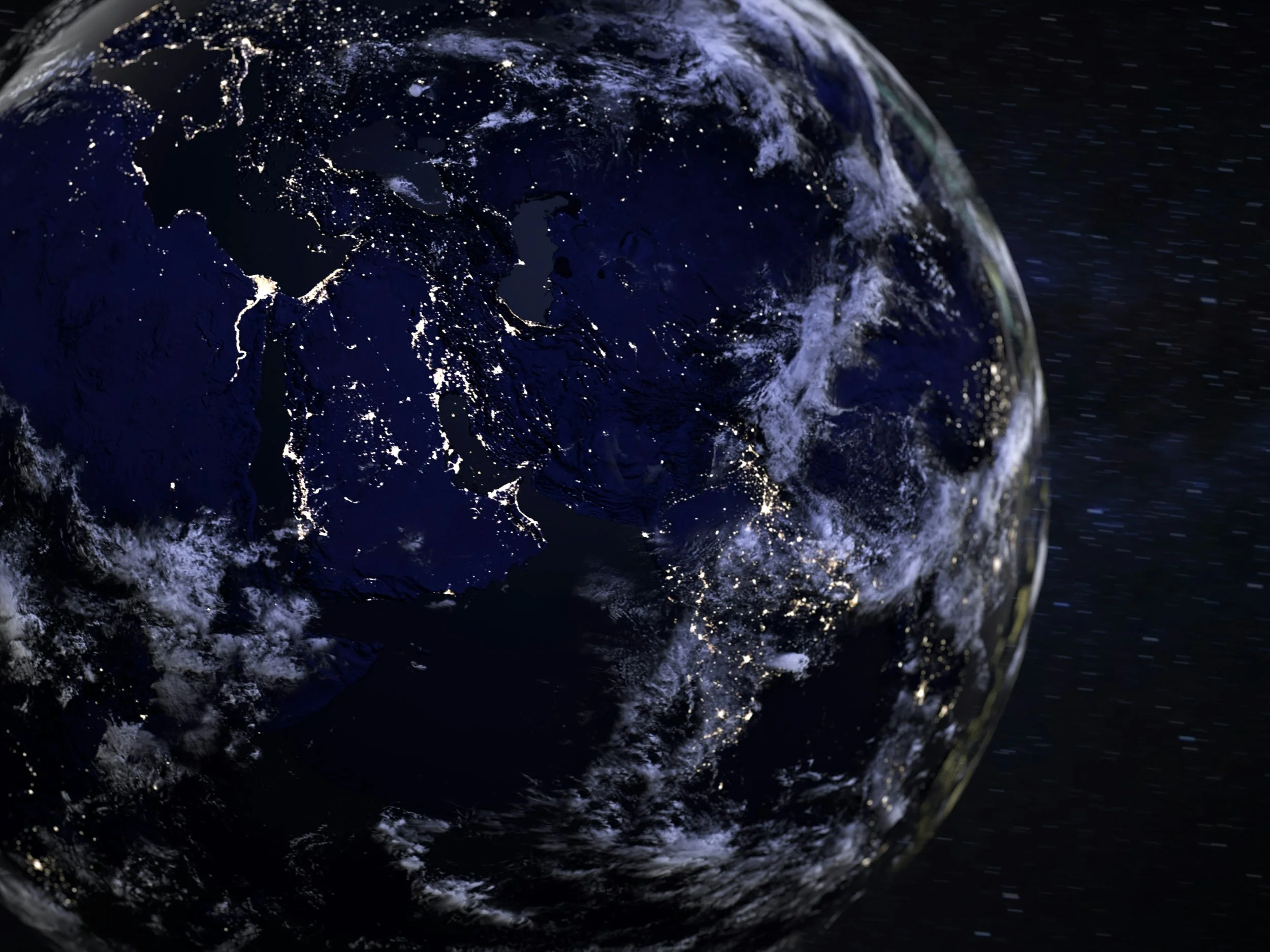
Across ten cities, GNI 10 chapters investigate how narrative infrastructures shape what becomes sayable, recordable, and publicly legible. Explore the interactive map to see each chapter’s leader, region, and research focus—from Indigenous memory in Vancouver to migrant domestic labor in Hong Kong and overlooked public health heroes in Singapore.
Global Volunteers
We invite volunteers across regions and languages to contribute an “unspoken story” that has been overlooked, compressed, or deemed unsayable in public narratives. Please click the button below for more information and contribute to this sustainable program. We can’t wait to hear from you!